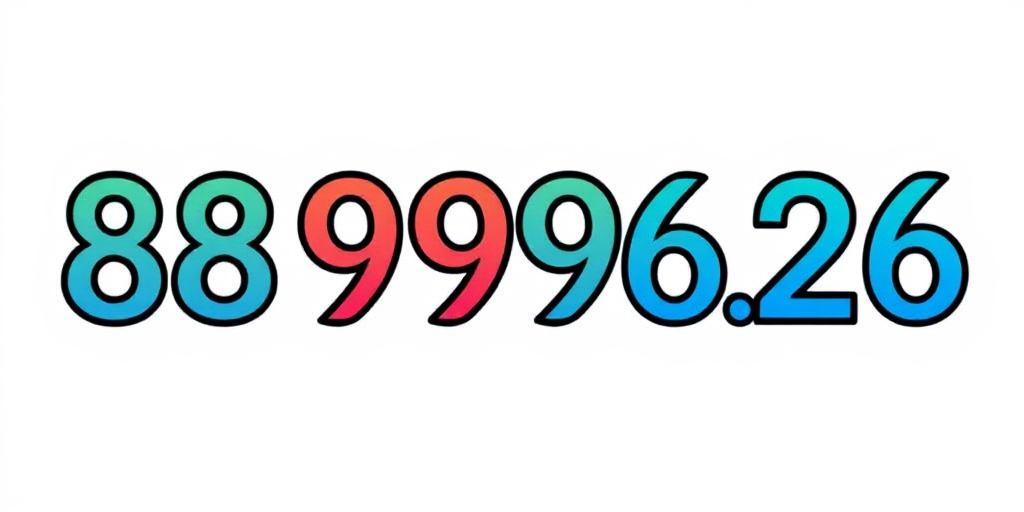
Recent investigations have highlighted a striking phenomenon: some men are producing a large number of offspring through fertility clinics. One investigation centered on a man whose donation contained a genetic change that dramatically raised the likelihood of cancer for several of his genetic children. Yet more striking was the scale of this man's influence: his sperm was allegedly distributed to clinics in fourteen various countries, leading to at least 197 children.
The disclosure offers a rare look into the booming global donor sperm business. Fertility assistance helps women to become mothers when it may not traditionally be possible—if due to infertility, having a same-sex partnership, or pursuing independent parenthood. Meeting this desire has evolved into a high-value enterprise.
The Strict Donor Process
Contrary to what some might think, few potential donor is suitable to become a donor. Actually, fewer than five out in a hundred volunteers ultimately satisfy the strict criteria.
The evaluation method is comprehensive and involves numerous checks:
- Concentration: Having a sufficient concentration of sperm in a donation.
- Motility: Verifying the sperm travel vigorously.
- Morphology: Evaluating the form of the gametes for normality.
Furthermore, the sperm must survive the storage and warming procedure at a sperm bank. A person who is perfectly fertile and may have children of his own could still be deemed ineligible.
Regulations are not uniform around the world, but frequent conditions include being within a designated age bracket (e.g., 18-45), being free of infections like the HIV virus, and not having specific inherited conditions.
This demanding screening results in a very small pool of suitable donors. As a result, in many countries, a significant percentage of sperm is brought in from other countries.
Popularity and Selection
Among this limited cohort of men, particular profiles become far more popular than others. The choosing method frequently is compared to the reality of today's online dating.
"The reality is if they're called Sven and they have blonde hair, and they are over six feet and they are athletic, and they have hobbies and speak seven languages—clearly that's much more desirable than a individual that is more average," remarks a fertility professor.
Intending recipients can often access information that include pictures, audio clips, job descriptions, and physical attributes like tallness and build. In the end, recipients are making choices based on preference.
A Worldwide Export in Donations
Denmark has risen as a world hub for sperm donation. The nation has even gained a moniker for producing so-called "Viking-descendant children".
Industry founders cite a combination of cultural and hereditary elements driving this demand. Socially, donation is reportedly seen with reduced social restriction and is frequently linked with other altruistic activities, like blood donation.
Genetically, some contend that particular characteristics common in Danish donors are especially appealing. The idea is that these traits allow for the recipient's own dominant traits to be predominant to show in the offspring.
Cross-Border Regulations and Societal Concerns
The ability for sperm to easily cross borders is a major element permitting donors to father very large numbers of descendants. Individual states enforce their own restrictions on how many times a donor can be used.
- Some cap the figure of children.
- Others restrict the amount of mothers, allowing each family to have more than one siblings from the one donor.
But, there is often no international registry to stop a single donor's samples from being used to the full number in multiple separate jurisdictions simultaneously. This can legally result in a scenario where a biological father has hundreds of genetic offspring throughout the planet, frequently without his consent.
Following to increasing concerns, suggestions have been advocated for tighter control. Suggestions include:
- Establishing a EU-wide or worldwide donor register to monitor sperm.
- Implementing a reduced cap on the amount of families a one can help.
The Individual Impact
Apart from the regulatory questions, there are deep emotional ramifications. Offspring born through donor sperm may eventually discover they have scores of half-siblings. For some, this discovery can be distressing.
Similarly, donors may be not be informed of the full scale of their biological offspring. The availability of at-home DNA testing and platforms has enabled it to be much easier for people to connect with one another outside traditional systems.
"The implications of using donations

